Review of the year 2025
We look back on the year 2025 and its various highlights. In our short and concise annual report we illustrate the most important facts and figures in a visually appealing format. At the same time, we give you an insight into the projects, courses and events coming up in the new year.
Project support and consultations
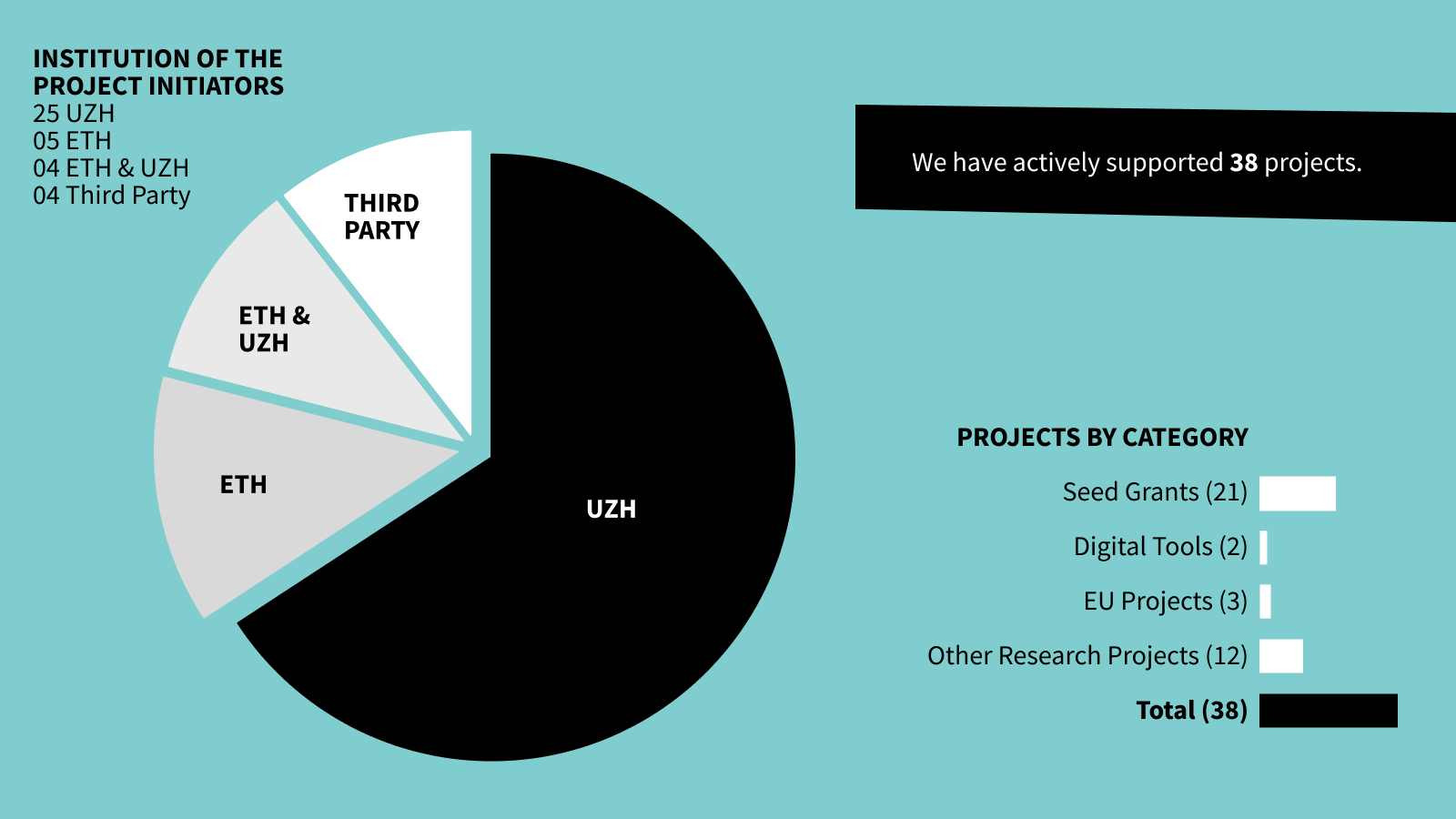
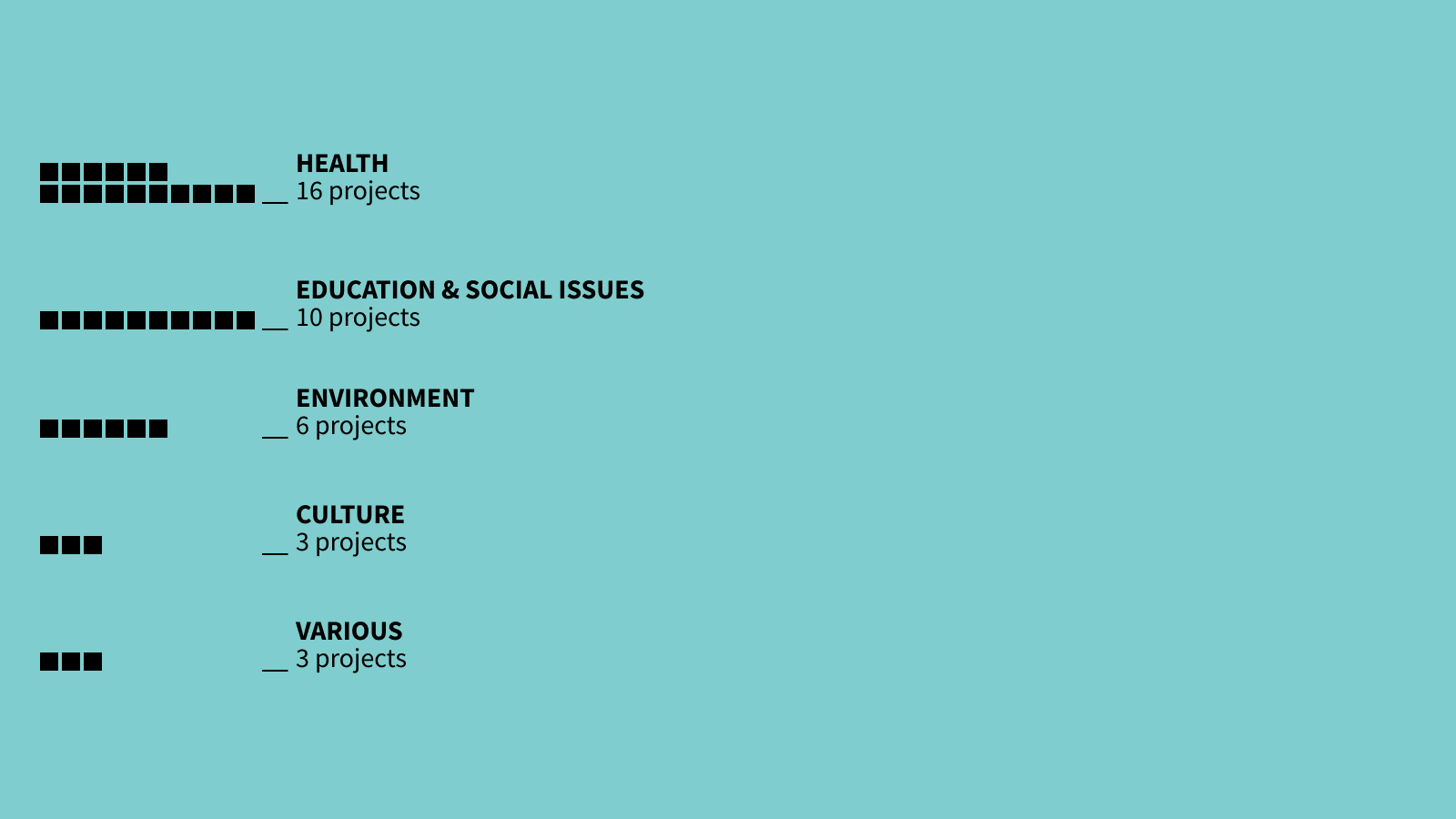
An important pillar of Citizen Science Zurich is our practical support in the planning and implementation of Citizen Science projects. This year, we were actively involved in 38 projects. This figure does not include five of a total of seven projects that used our digital tools without active support from us. The participation of citizen scientists is particularly impressive: they contributed over 88,000 entries to the analysis of digital data on our Project Builder.
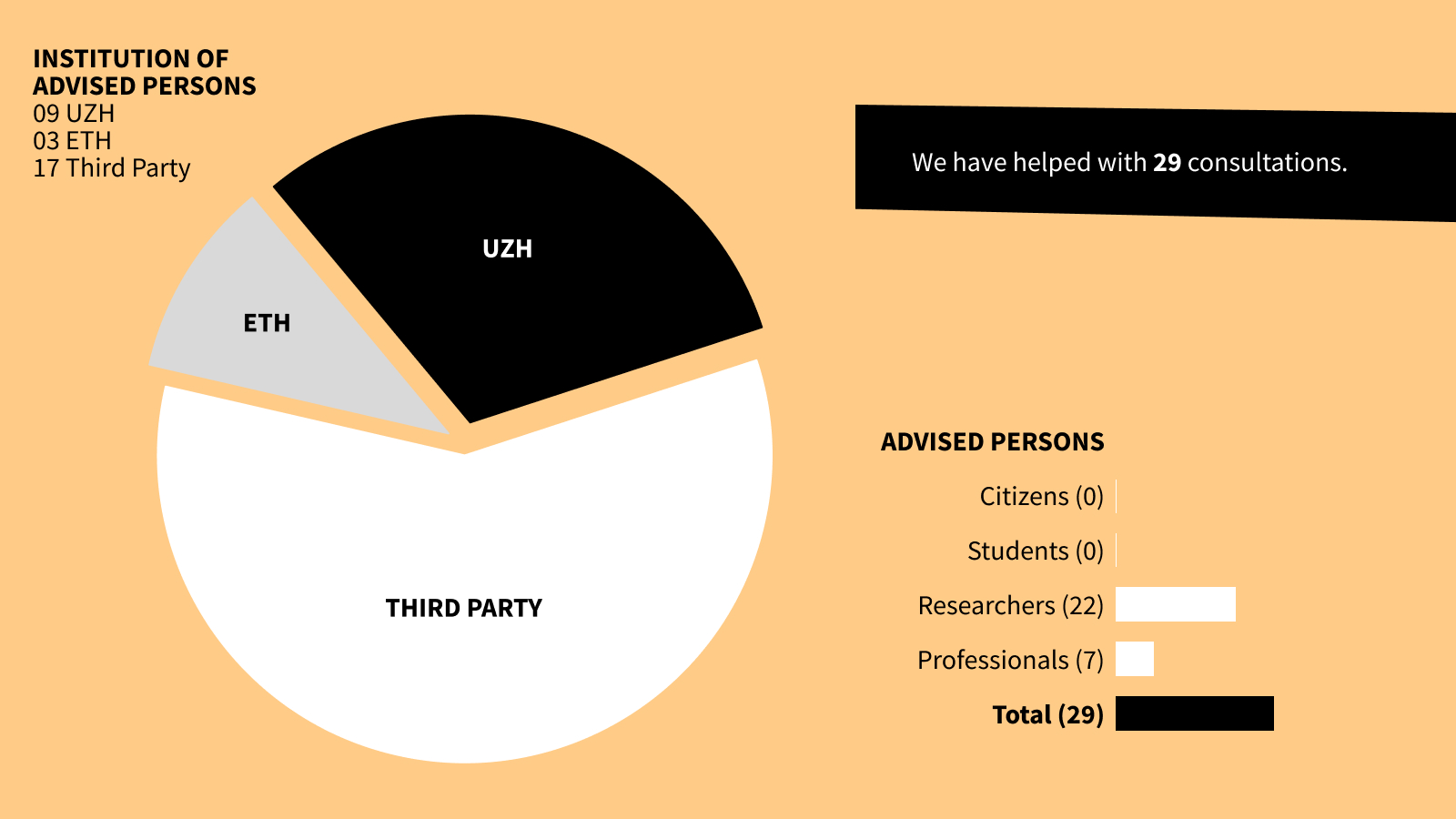
We also successfully carried out the seventh Seed Grant Call. Thanks to the support of the Mercator Foundation Switzerland, a total of five new pilot projects were funded. Citizen Science Zurich has so far supported a total of 44 projects through the Seed Grants since 2019, which corresponds to a total of CHF 1,605,000. The Seed Grant Call 2026 will open in January 2026. In addition, we helped with 29 consultations in the planning of Citizen Science projects or in solving challenges in ongoing projects.
Trainings and knowledge transfer
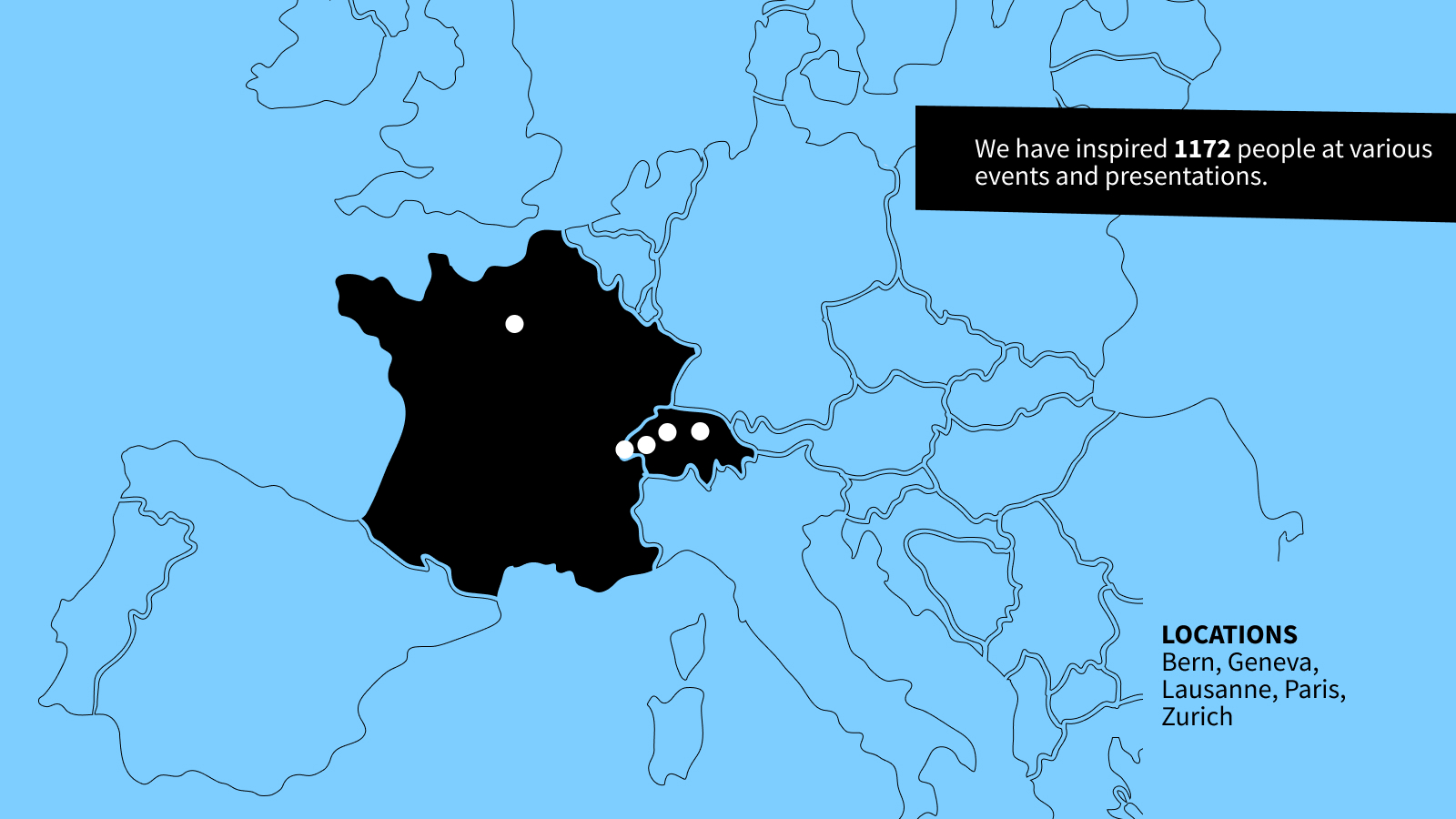
At various events and presentations, we were able to reach over 1,172 people and spark their interest in Citizen Science. In addition, we hosted the second Citizen Science for Health conference here in Zurich in November. You can find insights into the two exciting days in this blog article.
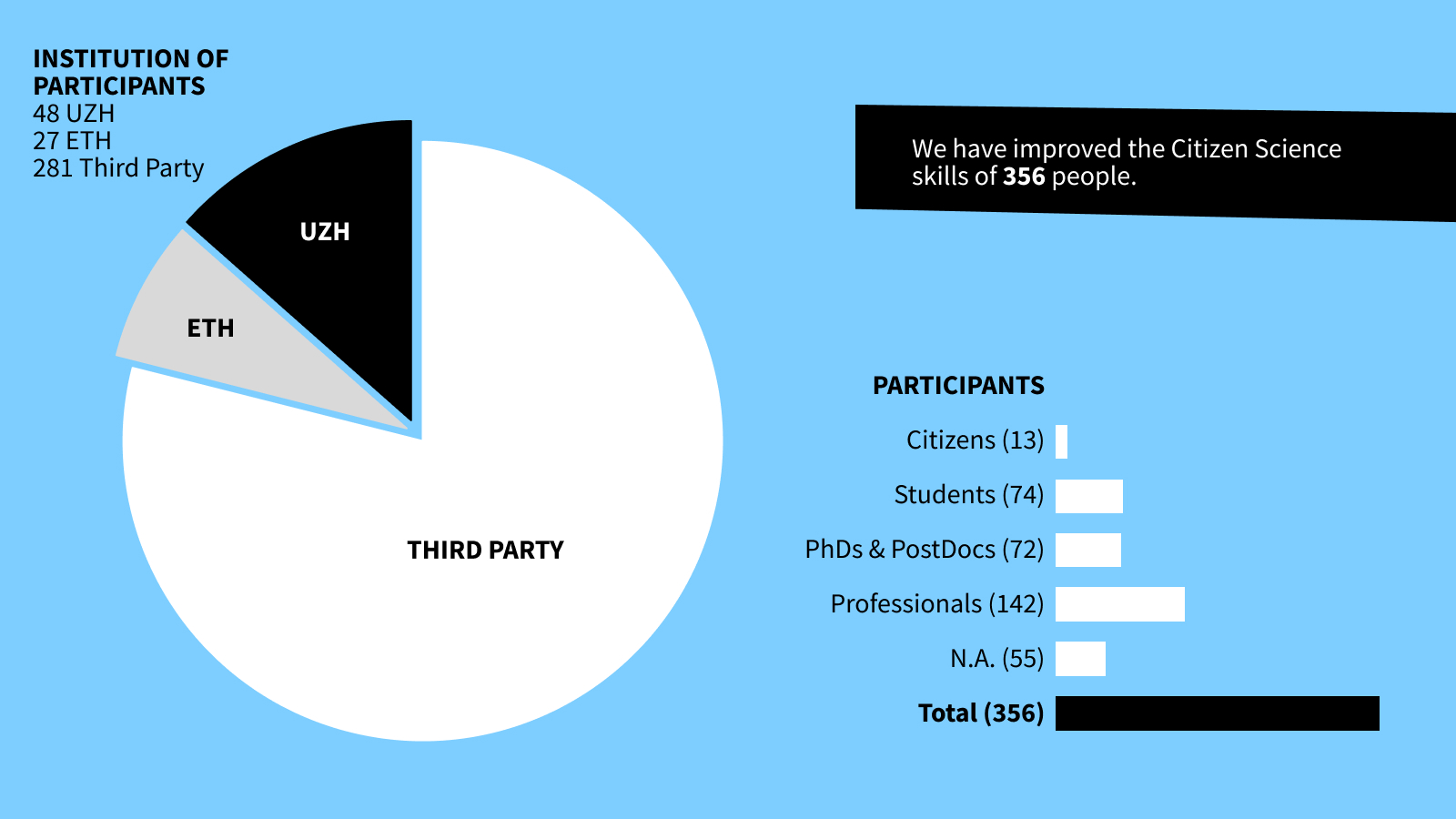
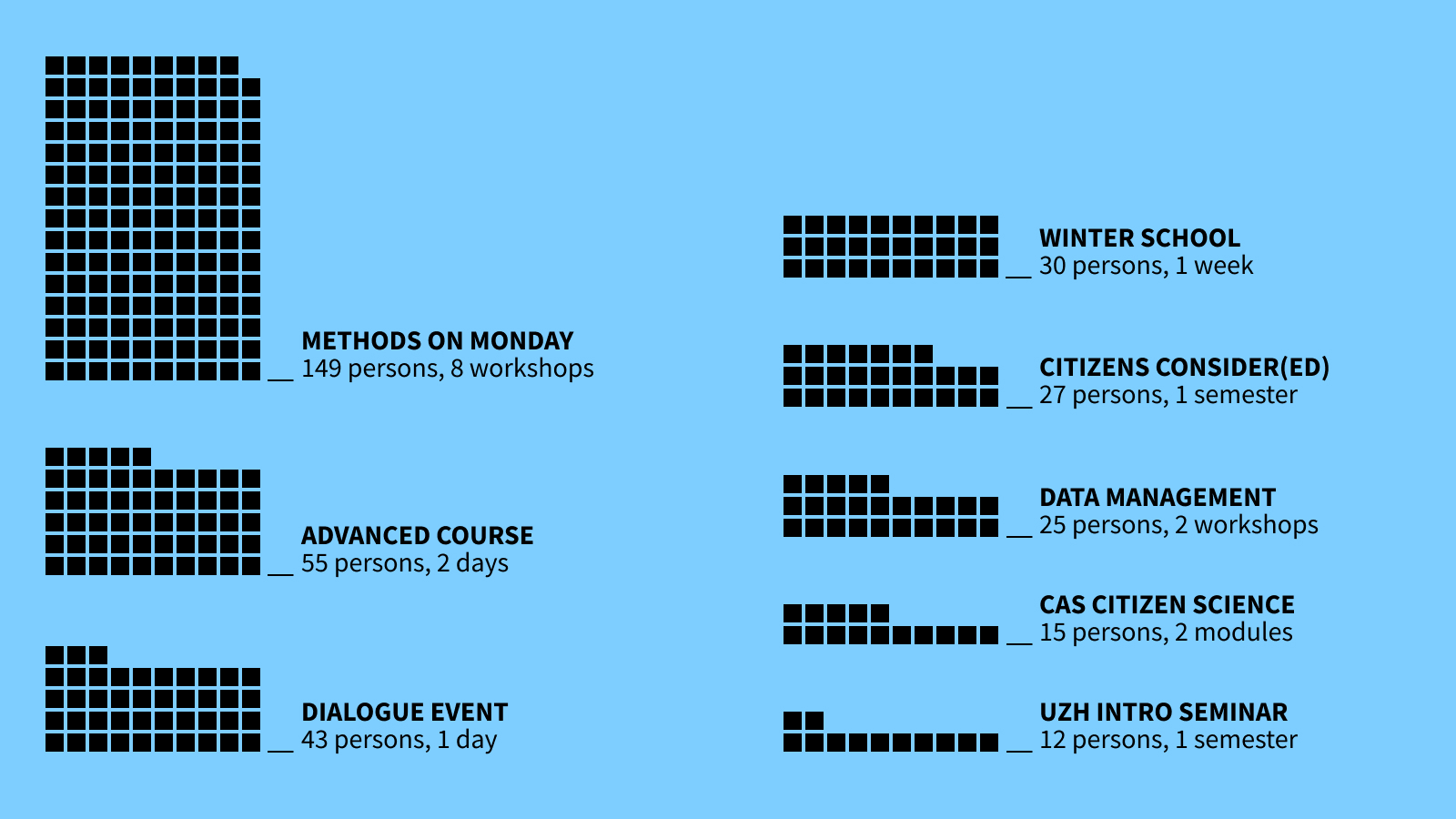
A further 356 people took part in our wide range of courses this year and expanded their knowledge and skills in the field of Citizen Science. On the one hand, we held established formats as usual. These included the course series Methods on Monday or the biannual workshop on data management at the ETH Library. And let's not forget the Citizen Science Winter School, where 30 young researchers from 14 countries sharpened their projects and skills in participatory research during a cold week at the end of January 2025. Our e-learning course Citizen Science entdecken has also been very popular, with over 1,000 page views so far this year.
On the other hand, 2025 was marked by new offerings. A highlight was the collaborative seminar Citizens Consider(ed), which we organized together with the University of Konstanz. Students from both universities developed their own Citizen Science projects on the topic of AI-supported sustainability concepts and implemented them together with partners from the field. In May 2025, we visited the Kuwait Foundation for the Advancement of Sciences (KFAS) at Kuwait University. We brought with us a comprehensive (and intensive!) two-day Citizen Science course with project examples, tools, templates, and practical help for planning and implementing high-quality Citizen Science projects.
And in the fall, we launched our CAS Citizen Science und Public Engagement. This course teaches the fundamentals, methods, and practical knowledge needed to design projects in a participatory and co-creative manner. In five basic modules, participants learn how to collaborate successfully in cross-institutional teams while complying with technical, data protection, and ethical standards. Two specialization modules allow participants to set an individual focus.
An outlook into the upcoming year
The new year marks the beginning of a new chapter for Citizen Science Zurich. After eight successful years as a Competence Center of ETH Zurich and the University of Zurich, we are becoming a permanent center at the Faculty of Arts and Social Sciences at the University of Zurich. We are delighted about this permanent status and would like to thank the University of Zurich for the trust and support it has shown us! At the same time, we regret ETH Zurich's decision to end its support for Citizen Science Zurich at the end of 2025. As a result, ETH Zurich will no longer be represented on our Board of Directors, and the reduction in basic funding means that we will increasingly have to cover the costs of our services. However, this will not affect our current services for the time being.
In addition, there are exciting projects, courses, and events coming up again in the new year. For example, there is the DigInCiteS project, in which we are working with the ZHAW to find solutions for making Citizen Science projects more inclusive. Or the collaboration with the Museum für Gestaltung Zürich, in which we scientifically evaluate the exhibition “Museum of the Future – 17 Digital Experiments” and therefore collect visitors' personal impressions of the exhibits. And with the Citizen Science Connected project, which is funded by swissuniversities, we are working together with stakeholders at other universities and universities of applied sciences in Switzerland to develop a roadmap for a future national network of “Citizen Science Contact Points.”
As for the courses, various CAS modules will continue to be offered until July, which, incidentally, can also be taken as stand-alone courses. And from 7-12 June 2026, the next international Summer School will take place in Zurich under the theme “Co-Creating Knowledge: Transforming Research Through Citizen Science”. You can register until 15 February 2026.
With this exciting outlook, we wish you all a sparkling advent season, joyful holidays and a wonderful ending of the year. We look very much forward to many shared moments and exchanges in the new year.