Strengthening Citizen Science Infrastructure through Open Science Hardware
From community-built sensors to classroom-based observatories, open science hardware is already shaping some of the most impactful Citizen Science initiatives. Drawing on discussions and insights from the HEROES Workshop, this post examines how open hardware can serve as a foundational component of Citizen Science infrastructure in Europe.
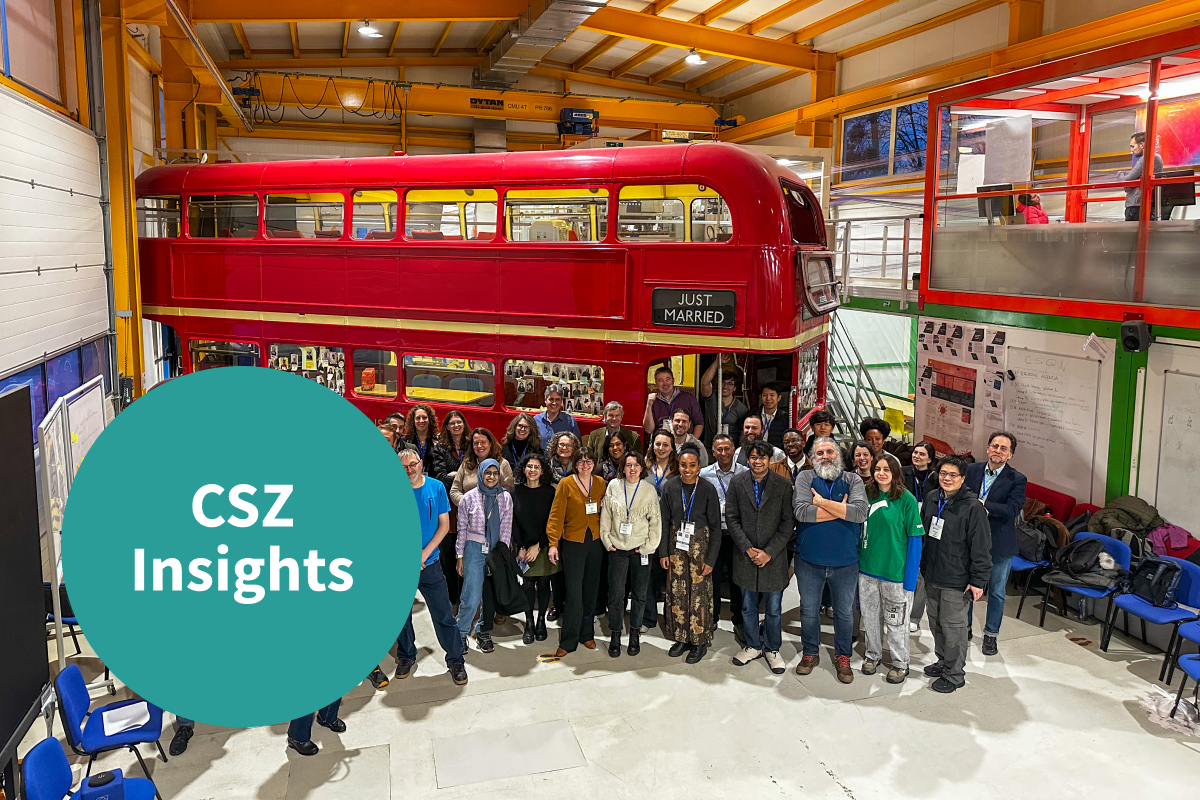
Photo: CERN
From 19 to 21 January 2026, the Hardware Ecosystem Requirements for Open and Emerging Science (HEROES) Workshop brought together an international group of more than 40 researchers, practitioners, funders, and institutional leaders to reflect on the future of Open Science Hardware (OScH) and its role in open and participatory research. Organised by the Open Science Hardware Foundation in collaboration with CERN, the SDG Solution Space, and RIECS, the event was hosted across three locations in Geneva: CERN, the SDG Solution Space at the University of Geneva, and the International Telecommunication Union.
For the Citizen Science community, this conversation is not abstract. Many successful Citizen Science initiatives rely on open or openly documented instruments that allow participants to collect data, understand how measurements are made, and adapt tools to local contexts. Open hardware enables citizens not only to contribute observations, but also to engage more deeply with the scientific process itself.
Open hardware as a foundation for participation
Throughout the workshop, participants emphasised that open science hardware should be understood not simply as a collection of tools, but as infrastructure for participation. Citizen Science provides some of the clearest examples of this approach working in practice.
Distributed cosmic-ray detector networks in schools have shown how open hardware can turn classrooms into real scientific observatories, producing publishable results while supporting education. In environmental science, open sensor platforms have enabled communities to monitor air and water quality, biodiversity, and local climate conditions—often in regions where commercial instruments would be inaccessible. Open microscopy projects, using locally manufactured, open-source microscopes, have allowed citizen scientists and community laboratories to carry out high-quality biological observations and diagnostics around the world.
In each of these cases, openness makes hardware understandable, repairable, and adaptable, helping projects scale across geography and time.
From tools to infrastructure
Over two and a half days, the workshop explored how OScH is evolving from a collection of promising tools into a broader ecosystem and a strategic component of research infrastructures. Discussions were structured around four interconnected themes, namely institutions, standards, economics, and ecosystems, reflecting a shared understanding that the future of OScH depends as much on governance, coordination, and incentives as on technical design.
Participants noted that open hardware has reached a high level of technical maturity, with numerous successful designs, active communities worldwide, and growing policy recognition, including in the UNESCO Recommendation on Open Science. Yet despite this progress, OScH remains far from mainstream within most research institutions. The gap is seen to lie in missing connective infrastructure that would allow open hardware initiatives to persist and scale.
Several recurring challenges emerged:
- Sustainability in open hardware projects is rarely about the initial cost of devices. Instead, it depends on whether communities and institutions support maintenance, documentation, and stewardship over the long term.
- Institutional procurement emerged as both a major barrier and a powerful leverage point. Open hardware is frequently perceived as risky or non-standard, despite its advantages for transparency, adaptability, and long-term sustainability. Addressing this perception could unlock broader adoption: if institutions recognise open hardware as legitimate research infrastructure, Citizen Science projects could benefit from greater stability and scale.
- Standards featured prominently as tools for interoperability and trust. Lightweight, open standards can make it easier to combine data from many contributors, compare measurements across projects, and integrate citizen-generated data with professional research infrastructures.
- Ecosystem visibility remains limited: although vibrant, OScH communities often lack mechanisms for discovery and connection, reducing collective impact.
Additional Information
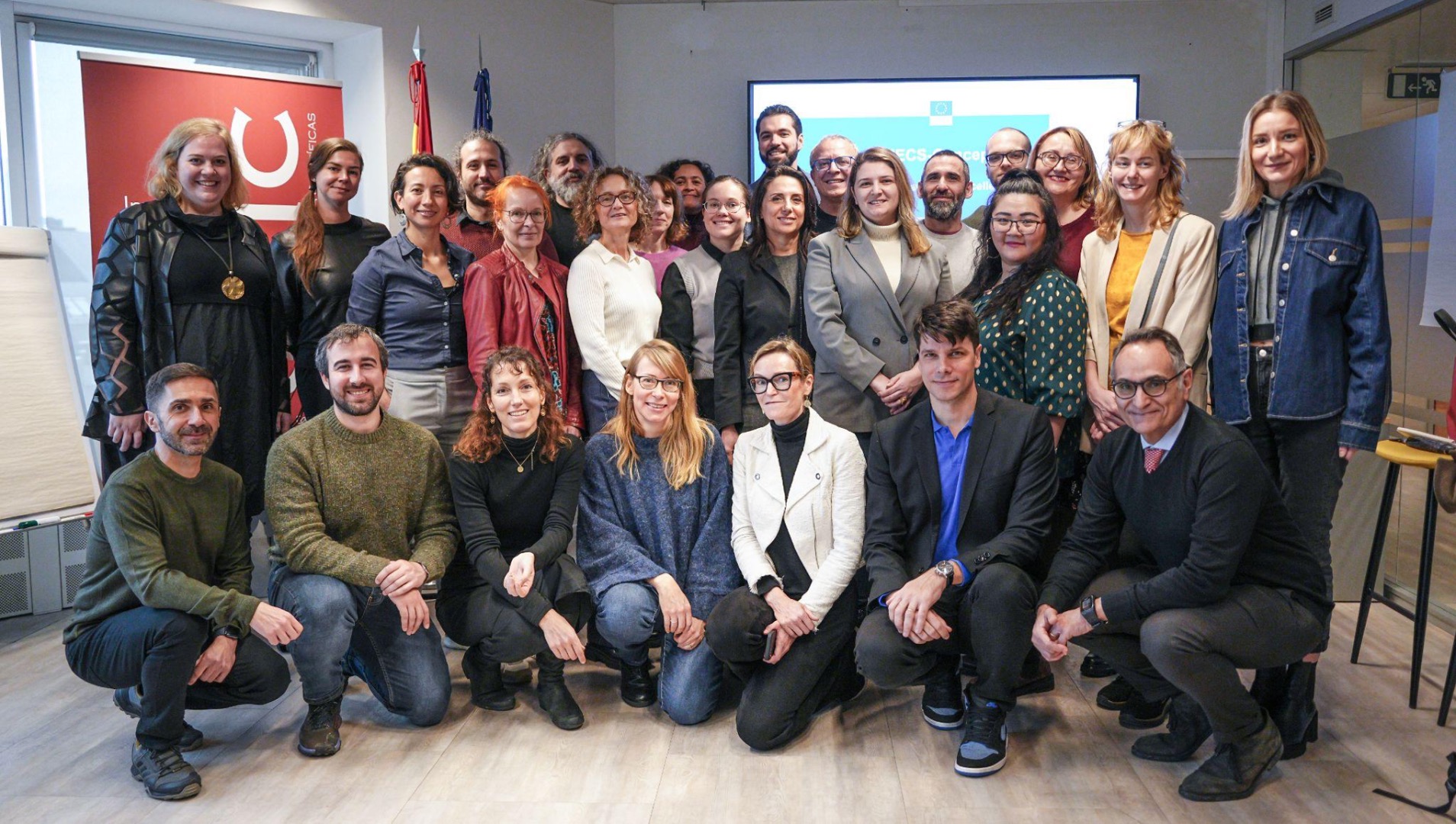
Why this matters for Citizen Science and RIECS
The workshop deliberately grounded its discussions in two domains of practice: participatory science and artificial intelligence. Throughout the event, the alignment between open science hardware and Citizen Science was a recurring theme, providing a concrete illustration of how open hardware already enables distributed data collection, deeper engagement, and shared ownership of scientific processes. Citizen science thrives when participants can engage directly with the instruments that generate data, rather than interacting only with apps or platforms. Open hardware makes this possible by design.
These discussions resonated strongly with the ambitions of RIECS, whose vision of a European infrastructure for Citizen Science aims to reduce fragmentation and strengthen the role of society as an active partner in research. By integrating open science hardware as a core enabling layer, alongside open data and open methods, RIECS could help connect existing initiatives, support sustainable practices, and increase the visibility and impact of citizen-led research across Europe.
Artificial intelligence, by contrast, served as a forward-looking case, highlighting the growing importance of open hardware for transparency, reproducibility, and equity in AI-enabled research. Discussions explored how open hardware and open infrastructures can help ensure that emerging AI tools support, rather than undermine, the values of open science.
Looking ahead
The final day of the HEROES Workshop focused on turning discussion into action, including sketching a shared picture of the OScH landscape and outlining priorities for future research and collaboration. The workshop reinforced the understanding that OScH is a key enabler of inclusive, participatory science, and highlighted the strategic role of Citizen Science as one of the domains where its value is already clearly demonstrated.
As Citizen Science continues to grow in scope and ambition, the lessons from HEROES suggest that investing in open hardware, and in the ecosystems that support it, is essential to building resilient, collaborative research infrastructures for the future.